
Topeka Mold Remediation
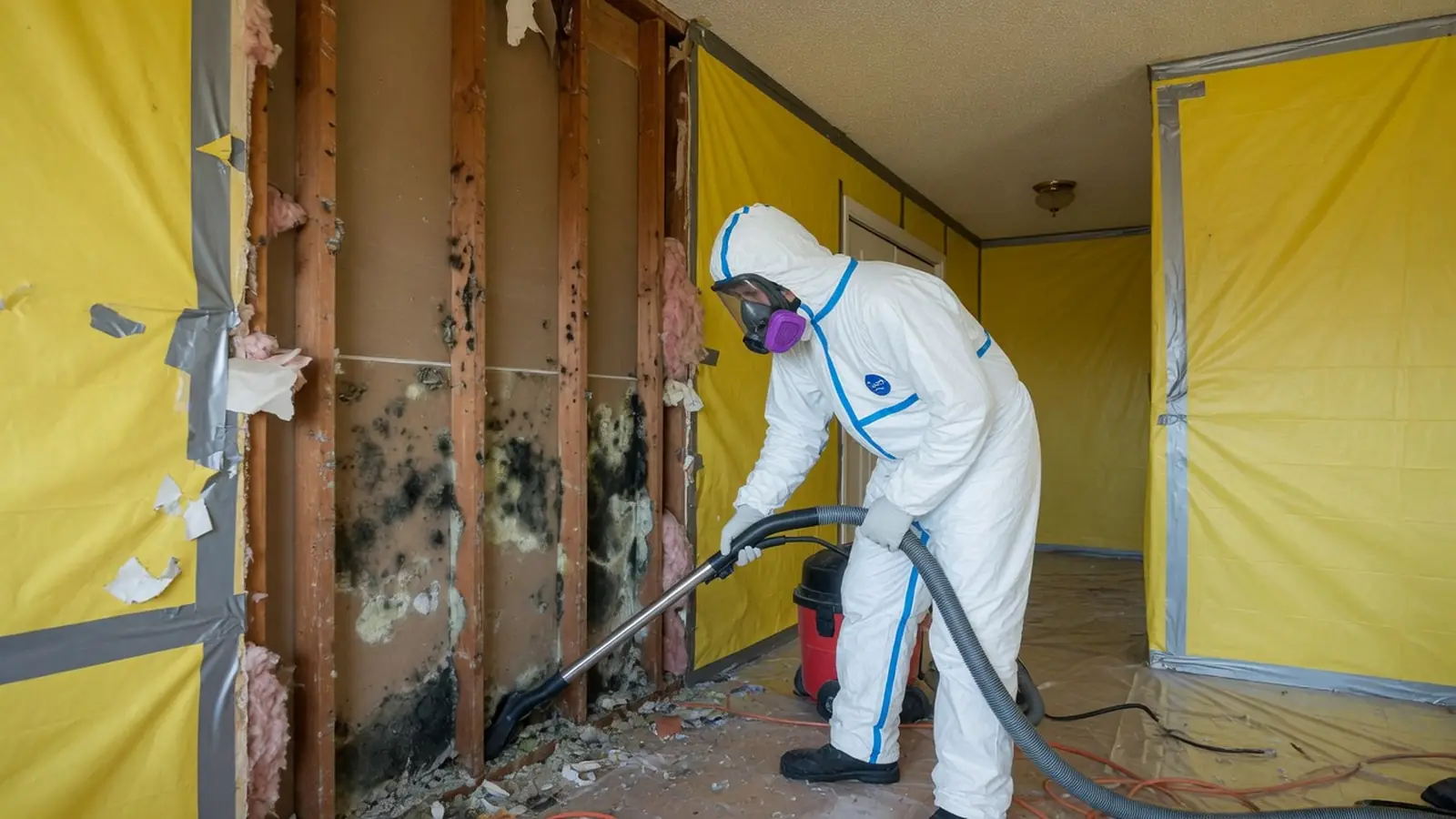
We isolate airborne spores using commercial negative air scrubbers, remove contaminated drywall, and sanitize exposed framing with hospital-grade antimicrobials. Our certified team halts active structural deterioration and restores clean indoor air quality. Fast emergency containment is available around the clock.
Once the water is off, call (785) 555-0154.
Precision Fungal Abatement And Structural Sanitation
Explore our comprehensive emergency restoration solutions to protect structural stability before moisture spreads deeper into subflooring.
The regional humid continental summer climate accelerates indoor mold germination within 24 to 48 hours if unconditioned crawlspaces or damp wall cavities remain above 60% relative humidity.
Records from Census ACS 5-year estimates document 59,987 housing units across the municipal area.
About 10% of housing units (5,871 of 59,987) were built since 2000, so a substantial share of the local stock is still on its original systems.
A frequent observation highlighted in trade video discussions is that addressing water damage requires integrating active mold remediation with comprehensive sanitation to prevent secondary health hazards.
During a recent project near Westboro, our technicians stripped water-damaged baseboards, wiped framing studs with commercial microbicides, and ran continuous air monitoring until spore counts reached baseline clearance.
We work directly with property owners at every step to explain testing protocols, containment procedures, and complete structural dry-out goals.
Our Step-by-Step Abatement Protocol
As homeowners often describe in public repair forums, many question standard pricing for critical mold remediation procedures like negative air pressure, containment barriers, and antimicrobial washes when assessing project estimates, which is why our protocol follows documented safety procedures.
- Thermal Moisture Mapping. We inspect foundation perimeters and wall cavities, and learn more about recovering from severe storm damage to evaluate water paths. Our crew uses non-invasive infrared cameras and moisture meters to pinpoint trapped moisture pockets behind baseboards and subfloors.
- Negative-Pressure Containment. Unlike standard drying, mold remediation requires establishing negative-pressure containment zones with HEPA air scrubbers before agitating or cutting contaminated drywall. Heavy poly sheeting and zippered entry chambers keep microscopic spores from cross-contaminating unaffected rooms.
- Antimicrobial Treatment And Agitation. Technicians remove compromised drywall, wire-brush wood surfaces, and apply registered antimicrobial solutions directly to framing studs. This physical and chemical elimination destroys deep hyphae structures rather than merely masking surface stains.
- HEPA Vacuuming And Air Clearance. We complete multiple passes with certified HEPA filtration vacuums across all exposed structural members and containment surfaces. Continuous air scrubbing scrubs fine particulate matter until moisture readings and indoor air conditions pass strict clearance verification.
Our Uncompromising Workmanship Standard
When water enters below grade, reviewing our approach to wet basement flooding ensures subfloors and drywall cavities dry completely under controlled airflow. Our remediation methodology adheres strictly to established industry containment standards, utilizing hospital-grade HEPA filtration and commercial antimicrobials. As industry practitioners emphasize in educational restoration videos, immediately shutting off the main water supply is essential to halt continuous flooding before professional extraction crews arrive, and we follow through by stabilizing the environment to prevent microbial colonization.
Negative Air Containment
We isolate contaminated areas using six-mil poly sheeting and industrial HEPA air scrubbers. A pattern echoed in public discussions is that post-storm hydrostatic pressure forces groundwater to continuously seep through concrete foundation walls into basements, making airtight containment critical before tearing out damp material. Our equipment prevents mold spores from traveling into clean living zones.
Antimicrobial Framing Sanitation
We apply commercial-grade antimicrobials that penetrate deep into framing lumber to eliminate fungal colonies. Our technicians scrub structural surfaces thoroughly to remove spore deposits and halt ongoing wood rot. Every cleaned zone undergoes rigorous inspection to guarantee complete biological elimination.
Structural Dehumidification
We position commercial desiccant and LGR dehumidifiers to pull residual moisture out of studs, subflooring, and joists. This rapid drying process prevents mold from regenerating in concealed wall cavities. Continuous moisture logging confirms when materials reach natural equilibrium standards.
Our Commitment To Safe Remediation
We follow rigorous containment protocols, precision moisture metering, and hospital-grade air purification to return contaminated structural cavities to safe, habitable conditions.
- 18Zip Codes Served
- 5Service Areas
- 3Services Offered
Read genuine experiences from local property owners who trusted our specialists to contain fungal contamination, sanitize framing, and restore healthy indoor air.
“Our senior mother lives with us and has severe respiratory sensitivities, so containment was our primary concern during cleanup. The crew sealed off the damaged utility closet with heavy plastic barriers and vented all exhaust directly outside. Her breathing stayed completely comfortable throughout the entire project.”
Donna M.
“Severe thunderstorms delayed the initial delivery of commercial drying units to our property. The team communicated immediately and brought in secondary HEPA scrubbers late that evening to maintain negative pressure. They worked straight through the weekend to make up lost hours.”
Greg T.
“Our adjoining townhouse neighbor worried about exhaust fan noise and airborne spores traveling into their shared hallway. This company explained the negative-pressure HEPA filtration setup to them and kept equipment running at quiet operating thresholds. The explanation put our neighbor completely at ease.”
Brian K.
“Six months have passed since the remediation in our basement subfloor, and the musty damp odor has never returned. The structural framing remains completely dry and clean after multiple heavy rain cycles. We finally have full confidence using our lower level again.”
Elena R.
Frequently Asked Questions
How much does professional mold remediation typically cost?
Remediation costs depend on the physical square footage of contamination, necessary containment barriers, and specialized drying requirements. Homeowners question standard pricing for critical mold remediation procedures like negative air pressure, containment barriers, and antimicrobial washes, which reflect the strict labor and filtration standards needed to protect health.
Why does spraying household bleach on porous framing lumber fail to eliminate deep mold root systems compared to professional antimicrobial agents?
Bleach remains on structural surfaces without penetrating porous lumber fibers, allowing deep fungal hyphae roots to survive and regrow quickly. Professional antimicrobial washes incorporate penetrating surfactants that sink deep into structural wood, eradicating the entire fungal structure rather than just lightening surface stains.
What happens when plumbing leaks go unaddressed behind walls?
Long-term unaddressed water leaks produce severe hidden mold colonization across subfloors and framing, resulting in massive remediation proposals. Hidden moisture softens structural framing and allows colonies to flourish undetected, turning simple pipe repairs into extensive structural tear-outs.
What should homeowners do immediately after discovering indoor flooding?
Immediately shutting off the main water supply is essential to halt continuous flooding before professional extraction crews arrive on site. Cutting off incoming water prevents moisture from migrating into subflooring and adjacent wall framing, which significantly minimizes subsequent remediation scope.
How quickly does indoor mold begin to germinate in high humidity?
Active indoor mold colonies germinate within 24 to 48 hours whenever relative humidity levels remain consistently elevated above sixty percent. Unconditioned crawlspaces and damp wall cavities provide ideal breeding grounds during warm summer weather, requiring rapid structural dehumidification to halt growth.