
Emergency Water Damage Restoration Topeka KS
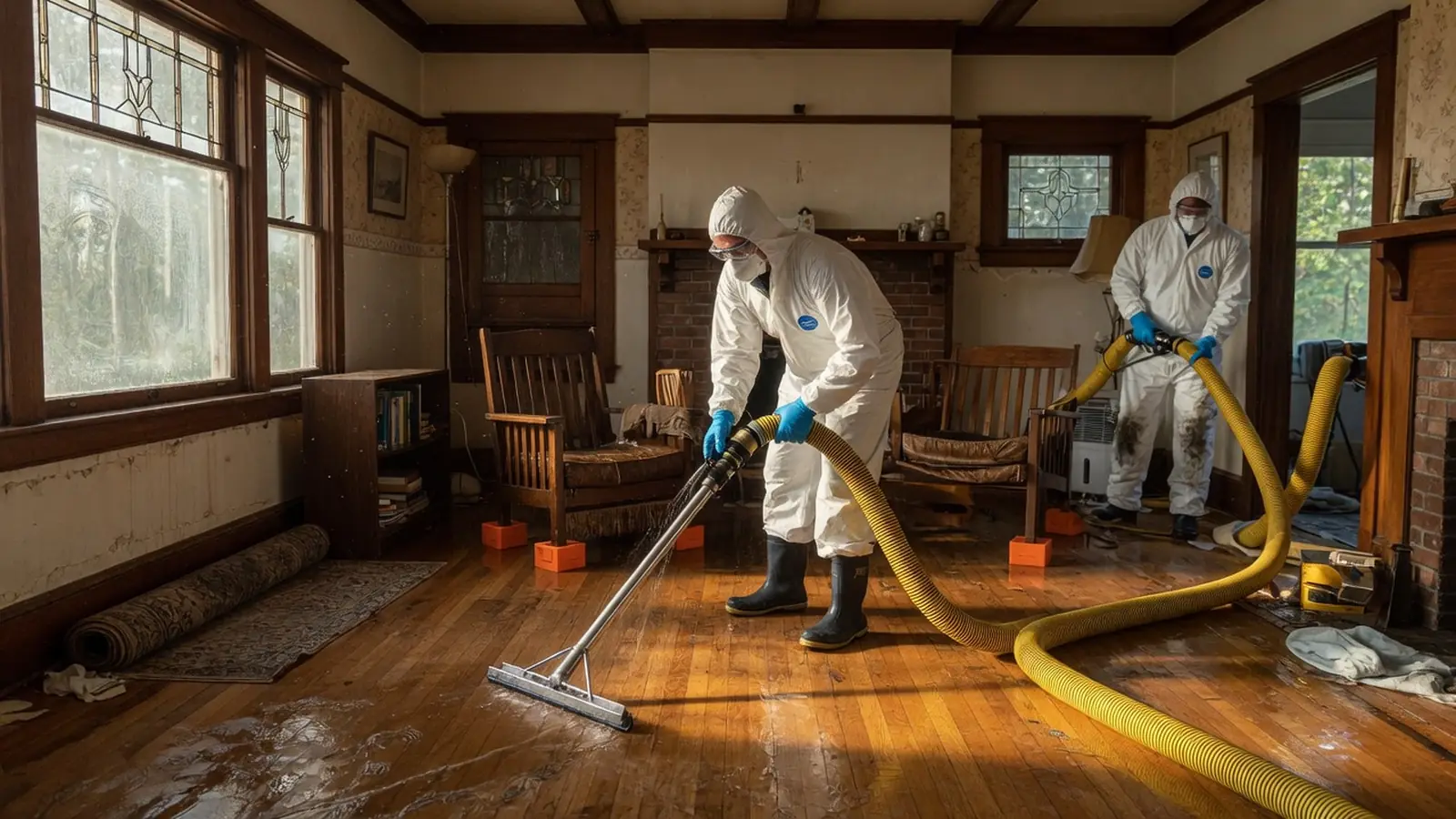
Standing water near basement electrical outlets poses severe electrocution risks, requiring power shutoff before inspecting the area. Our certified technicians arrive swiftly with industrial extraction units to stabilize flooded structures before moisture migrates deeper into framing.
Water running somewhere it shouldn't? Call (785) 555-0154.
Restoring Flood Damaged Structures
Older infrastructure drives much of the emergency plumbing failures we mitigate locally.
About 40% of housing units in the local area (23,867 of 59,987) were built before 1960, the era of galvanized steel supply lines and cast iron drains.
About 15% of housing units locally (8,756 of 59,987) were built in the 1960s, overlapping the years aluminium branch wiring was installed.
About 27% of housing units in this region (15,972 of 59,987) were built in the 1970s and 1980s, overlapping the years polybutylene supply piping was commonly installed.
About 81% of housing units across our territory (48,595 of 59,987) were built before 1980, the period when asbestos-containing materials and lead paint were still in use.
The dominant mapped soils across the territory (KS177) by acreage are Martin silty clay loam, 3 to 7 percent slopes; Pawnee clay loam, 4 to 8 percent slopes, eroded; Sogn-Vinland complex, 3 to 25 percent slopes; Ladysmith silty clay loam, 1 to 3 percent slopes.
The single most extensive soil unit mapped around our service sector is Martin silty clay loam, 3 to 7 percent slopes, covering about 52,098 acres of KS177.
A pattern echoed in public discussions is that long-term unaddressed water leaks produce severe hidden mold colonization across subfloors and framing, resulting in massive remediation proposals.
To protect foundations against heavy hydrostatic pressure, property owners dealing with chronic basement flooding rely on our rapid commercial water extraction units.
Our crews use non-invasive moisture meters and thermal imaging to trace moisture pathways through cavities without causing unnecessary cosmetic destruction.
We clean, sanitize, and verify structural drying targets daily so property owners understand the exact progress of their restoration.
Rapid Extraction To Complete Structural Drying
Our structured methodology stabilizes homes after severe weather and plumbing breaks, and you can explore our complete storm damage recovery protocol to see how we secure compromised roofs and exteriors.
- Hazard Inspection And Power Isolation. We inspect the perimeter for utility hazards immediately upon arrival. Standing water near basement electrical outlets poses severe electrocution risks, requiring power shutoff before inspecting the area or positioning extraction gear.
- Water Extraction And Structural Mapping. Technicians remove pooling water and map moisture across building materials. In local neighborhoods, NOAA radar recorded 2,083 hail signatures within about 15 miles between 2021-2025 (2021: 344, 2022: 320, 2023: 408, 2024: 465, 2025: 546), leaving hidden attic envelope breaches that pool water before discovery.
- Commercial Dehumidification Setup. We place commercial air movers and LGR dehumidifiers to pull moisture from deep framing. As homeowners often describe, homeowners struggle to assess whether multi-thousand-dollar quotes for commercial dehumidifiers and moisture testing are reasonable for clean-water leaks, so we provide transparent psychrometric logs validating every machine.
- Microbial Defense And Moisture Target Verification. Our team applies botanical antimicrobials and verifies structural materials have returned to dry standards. The heaviest recent hail year in the area was 2025, with 546 radar hail signatures inside a 15-mile radius, which weakened countless roof barriers and heightened the risk of hidden mold.
Certified Structural Drying Standards
We adhere to strict psychrometric restoration standards and utilize calibrated moisture testing equipment on every mitigation project. Our technicians never recommend demolition where structural framing and subflooring can be successfully dried in place. We guarantee transparent daily moisture logs on every job, and you can see our services for certified microbial cleanup if compromised drywall requires containment.
Emergency Water Extraction
We deploy industrial submersible pumps and truck-mounted extractors to remove standing floodwaters immediately. A key diagnostic step is determining whether carpet and baseboards can be dried in place after a basement flood, or does submerged drywall and tack strip padding need full replacement.
Storm Damage Water Containment
High winds and hail frequently penetrate roofing materials during seasonal squalls. Wind-damaged shingles allow rainwater to pool behind ceiling drywall, posing severe ceiling sagging and collapse hazards that require rapid water diversion and temporary roof membranes.
Cavity Desiccant Dehumidification
When envelope breaches occur, storm runoff penetrating building envelopes traps moisture inside wall cavities, causing secondary mold growth when leaks remain unmitigated. We direct controlled airflow into framing voids to extract hidden dampness before rot can establish.
Dedicated Emergency Restoration Standards
We respond with industrial drying equipment, certified technicians, and daily moisture mapping across our local coverage region. Every project is managed with transparent psychrometric monitoring to ensure residential structures are returned to safe dry standards.
- 15Zip Codes Served
- 6Service Areas
- 3Services Offered
Read real feedback from local property owners who experienced emergency water mitigation, structural drying, and storm runoff extraction handled by our crew.
“Every evening before heading out, the crew packed up their extraction hoses, vacuumed our entryway, and arranged the drying air movers so our family could still access the main hallway safely. They never left debris or trash behind during the three days our basement was drying out. It was a huge relief to see our home kept clean during such a stressful situation.”
Marcus B.
“We received detailed photo updates and moisture level readings sent directly to my phone every single morning without having to ask once. The team explained exactly what the thermal cameras were showing inside our insulated walls and when the drying fans could be turned off. Their proactive communication kept my anxiety down from start to finish.”
Brenda K.
“When inspecting our flooded rec room, the crew showed us how we could salvage our solid oak trim by drying it in place instead of ripping everything out for replacement. They walked us through which moisture barriers would prevent future warping without recommending unnecessary structural tear-outs. Their honest advice saved us thousands on materials we thought were ruined.”
David P.
“A severe thunderstorm shut down road access right as our mitigation was scheduled to begin, but the team rerouted their service vans and arrived with auxiliary power generators to start pumping immediately. They worked late into the night to recover the lost time and prevent secondary mold from setting into our subfloor. Their rapid turnaround saved our finished basement from total ruin.”
Elena R.
Frequently Asked Questions
Can carpet and baseboards be dried in place after a basement flood, or does submerged drywall and tack strip padding need full replacement?
Carpet and baseboards can be dried in place if clean water is extracted within 24 hours, but submerged drywall and porous padding require replacement. We use penetrating moisture probes to evaluate cushion saturation and determine whether materials can safely be restored.
How much does commercial dehumidifier placement and moisture testing cost for clean-water leaks?
Commercial dehumidification and moisture testing typically run from $1,200 to $3,500 depending on affected square footage and drying duration. Homeowners struggle to assess whether multi-thousand-dollar quotes for commercial dehumidifiers and moisture testing are reasonable for clean-water leaks, so we document psychrometric grain depression daily to justify exact equipment runtimes.
How do hidden leaks cause long-term structural mold damage in subfloors and framing?
Unchecked moisture elevates subfloor humidity above 70%, creating ideal environments for fungal spores to colonize load-bearing framing timbers. A pattern echoed in public discussions is that long-term unaddressed water leaks produce severe hidden mold colonization across subfloors and framing, resulting in massive remediation proposals if plumbing lines remain neglected.
What immediate hazards occur when storm runoff penetrates roof shingles and building envelopes?
Water penetrating building envelopes causes saturated drywall to lose integrity, creating severe ceiling sagging and sudden overhead collapse risks. Wind-damaged shingles allow rainwater to pool behind ceiling drywall, posing severe ceiling sagging and collapse hazards, while storm runoff penetrating building envelopes traps moisture inside wall cavities, causing secondary mold growth when leaks remain unmitigated.
What safety step is required before inspecting standing water in a flooded basement?
Electrical breakers must be shut off from an upper floor before stepping into standing basement water near submerged electrical outlets. Standing water near basement electrical outlets poses severe electrocution risks, requiring power shutoff before inspecting the area or positioning extraction hoses.