
Topeka Basement Flooding
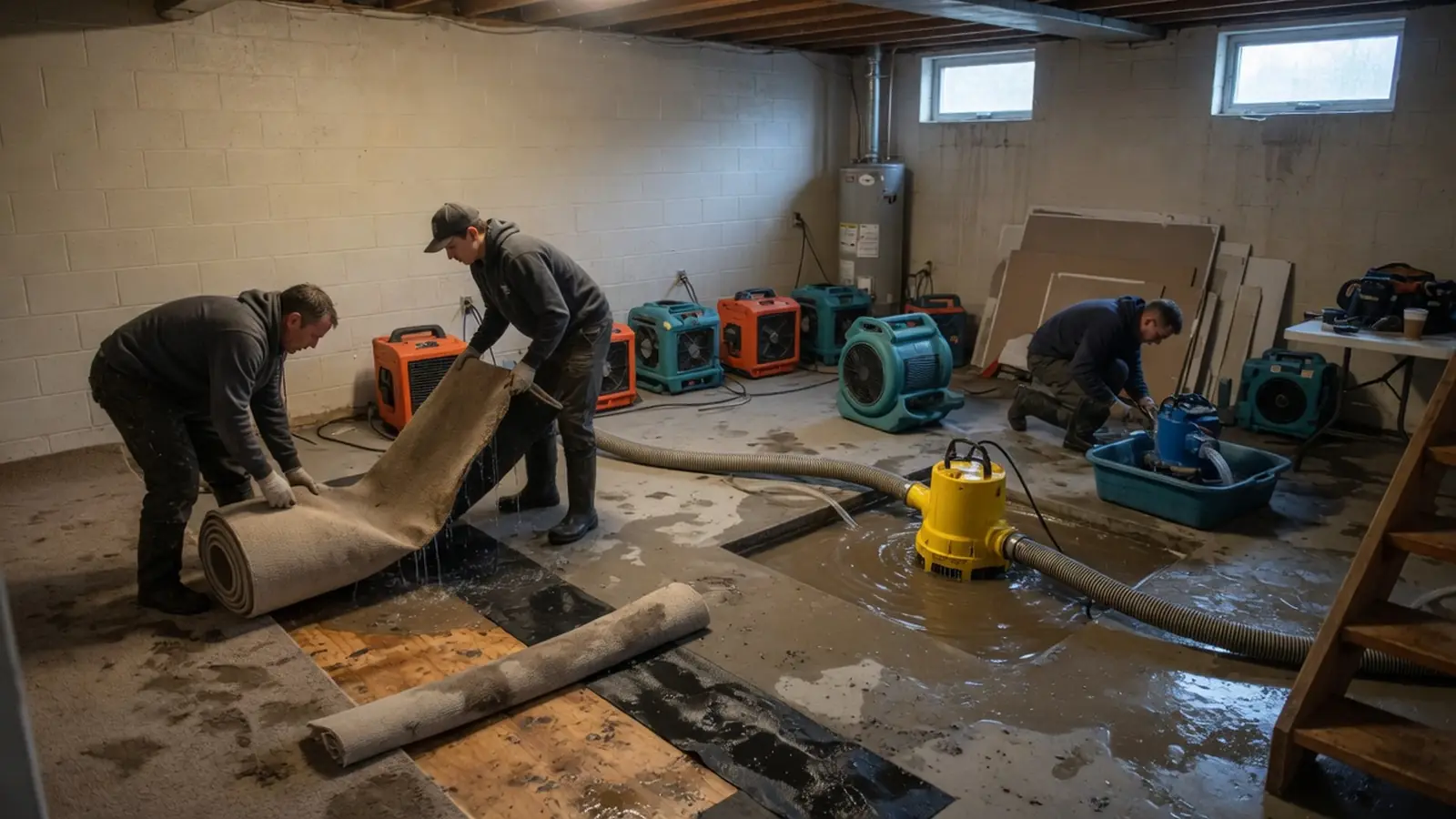
Heavy storm rainfall and rising creeks quickly overwhelm residential sump pumps, resulting in sudden basement flooding. Heavy rainfall concentrated in short periods triggers rapid overnight basement inundation, with emergency calls spiking as early as 3:30 AM. Our emergency technicians deploy immediately with heavy-duty pump trucks and structural drying equipment to halt water intrusion.
Call (785) 555-0154 to set up an inspection.
Dependable Basement Water Removal
Decades of handling flash runoff along Shunganunga Creek give our technicians practical insight into how rapidly below-grade spaces flood.
A pattern echoed in public discussions is that homeowners dealing with active basement flooding urgently seek protocols for water extraction, drywall removal, and mold prevention.
Severe downpours overwhelm restoration capacity, forcing crews to triage incoming calls and service the most severely flooded basements first.
Because local restoration providers typically max out at servicing 15 homes per day, creating unavoidable backlogs after major regional storms, we prioritize immediate containment for critical properties.
Our certified technicians stabilize saturated structures by providing rapid emergency water damage restoration for local basements.
We thoroughly extract pooling wastewater, sanitize damp concrete slabs, and place industrial air movers to protect structural framing.
Step-by-Step Flooded Basement Mitigation
Homeowners often describe how rapidly rising water threatens electrical panels and stored items during localized flash floods. We follow disciplined restoration procedures to mitigate severe storm damage in below-grade spaces before secondary structural deterioration begins.
- Rapid Emergency Water Extraction. Truck-mounted pumps extract standing liquid from finished floors and storage areas within minutes of arrival.
- Contaminated Drain Backup Cleanup. Overwhelmed municipal stormwater and sewer infrastructure causes contaminated water to back up through basement floor drains, requiring immediate extraction and antimicrobial sanitization.
- Slab Joint Seepage Remediation. Persistent groundwater forces its way through basement floor slab joints during heavy precipitation, exhausting standard drainage methods, which we counter with continuous pumping and heavy-duty dehumidification.
- Structural Drying And Moisture Monitoring. Post-storm hydrostatic pressure forces groundwater to continuously seep through concrete foundation walls into basements, so we run commercial LGR dehumidifiers until deep moisture meters confirm normal framing levels.
Dedicated Drying Standards
Our remediation standards center on rapid stabilization, thorough sanitization, and honest documentation for property owners. We treat every home with meticulous care by deploying calibrated moisture meters, extracting hazardous gray water promptly, and following certified professional mold remediation protocols to ensure framing dries safely.
Emergency Sump Pump Failure Cleanup
When mechanical pumps quit during violent cloudbursts, our crews rapidly pump out standing water and sanitize concrete flooring. We remove saturated debris and install drying fans to protect your foundation and subfloor.
Basement Floor Drain Backup Service
Blackwater overflows from municipal lines require strict containment and deep biological disinfection. We clear contaminated sludge, extract backflow, and apply hospital-grade antimicrobial solutions to prevent lingering odors.
Foundation Hydrostatic Seepage Drying
Heavy groundwater forced through masonry cracks can soak finished drywall and carpet pads. Our specialists strip wet materials, run industrial dehumidifiers, and verify dry standards across all structural framing.
Our Commitment To Basement Restoration
We bring rigorous structural drying standards and rapid response capabilities to every flood call. Our priority is protecting structural integrity and restoring safe indoor air quality without delay.
- 18Zip Codes Served
- 6Service Areas
- 3Services Offered
Property owners count on our rapid response when heavy rains flood below-grade spaces. Here is what local residents share about their experience working with our restoration team.
“Another company left our basement smelling damp with soaked carpet strips still nailed into the concrete. The crew stepped in, pulled the ruined baseboards, sanitized the slab, and dried out the wall studs completely. Their thorough work saved us from what would have been a major mold disaster.”
Marcus G.
“Water backed up through the floor drain during a massive thunderstorm, and I was terrified of what repairs might cost. The team gave us a detailed written breakdown before touching a thing, and the final bill matched the original quote to the penny. Having zero surprise charges during a home emergency gave us huge peace of mind.”
Brenda K.
“Every evening before packing up, the technicians swept the work zones, coiled all hoses, and stacked their drying gear neatly out of our way. We never had to navigate a dangerous maze of cords or step over soggy trash while living through the dryout. They respected our home from the moment they walked in until the final inspection.”
Derek S.
“I received daily photo updates and text messages showing the moisture readings on our concrete walls. The crew kept us informed every single morning without me ever having to call or track someone down for answers. That level of proactive communication made a stressful basement flood so much easier to handle.”
Hannah T.
Frequently Asked Questions
How quickly should water extraction begin in a flooded basement?
Water extraction should begin within 24 to 48 hours to prevent permanent structural rot and dangerous microbial growth from spreading into framing. Rapid pumping removes standing volume so industrial air movers and desiccant dehumidifiers can stabilize the indoor environment.
Is water from a basement floor drain backup hazardous?
Drain backflow is classified as blackwater containing harmful bacteria and contaminants that require professional extraction and disinfection. Trained crews wear specialized protective equipment, remove contaminated porous materials, and apply antimicrobial treatments to all hard surfaces.
How many days does it take to thoroughly dry a flooded basement?
Standard structural drying typically takes between three to five days using high-capacity commercial dehumidifiers and strategic air placement. Dense concrete slabs and wall framing may require additional drying time, which technicians monitor daily using precision moisture probes.
Does homeowner insurance cover sudden basement flooding repairs?
Coverage depends on whether water came from internal plumbing failure, sewer backup endorsements, or excluded surface water flooding policies. Restoration teams document moisture readings, take detailed photographs, and provide itemized logs to simplify your claim filing process.
When must wet drywall be removed after basement water intrusion?
Drywall submerged by contaminated water or wet for over 48 hours must be cut away at least two feet above the highest water level reached. Removing damp gypsum board allows wall cavities to ventilate and eliminates the organic cellulose paper that feeds rapid mold spores.